
Produce · 22 August 2026
The case for organic kale
Put pesticide concerns in context and consider practical choices for buying, washing and serving leafy greens.
Practical reading for handling, preparing and storing food with care—from poultry and produce to allergens, contaminants and outdoor meals.

Food safety is shaped by ingredients, temperature, storage and individual health needs. Start with the practical guidance below and use official recall notices for time-sensitive alerts.
Put pesticide concerns in context and consider practical choices for buying, washing and serving leafy greens.


These explainers separate sensible precautions from alarming claims and show where uncertainty or personal circumstances matter.

What this mold-produced toxin is, where it can occur and how food controls help manage exposure.

Why ordinary ready-to-bake dough should not be treated as ready-to-eat.

A measured look at common claims surrounding this widely used cooking oil.
Explore preparation techniques, ingredient questions and concerns about the food supply.

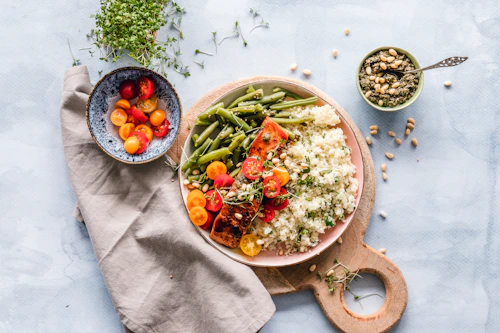


Good habits work together. Requirements can differ for infants, older adults, pregnant people and anyone with a weakened immune system.
Wash hands and work surfaces, and keep utensils in good condition before preparation begins.
Reduce cross-contamination by keeping raw animal products away from ready-to-eat ingredients.
Use appropriate cooking, cooling and storage methods rather than relying on appearance alone.
Consult official recall and public-health information when a warning concerns a specific product.

Our food safety collection looks beyond a single rule to explain where practical decisions arise.
Short answers to common questions. Follow package directions and current guidance from relevant public-health authorities.
No. Some spoilage is obvious, but food can contain harmful microorganisms without looking or smelling unusual. Storage history and safe handling matter.
Rinsing can spread droplets around the sink and nearby surfaces. Careful handling, separation and thorough cooking are more useful safeguards.
Not unless its label specifically says it is safe to eat without baking. Ordinary dough may contain raw flour or egg and should be cooked as directed.
No. Freezing slows microbial activity but does not reliably eliminate every hazard. Safe thawing, preparation and cooking remain important.
Discard food if its storage history is uncertain or it was left under unsuitable conditions. Use current official guidance for specific time and temperature limits.
Risks can be greater for young children, older adults, pregnant people and people with weakened immune systems. A qualified clinician can provide individual guidance.
Berkeley Health is an independent editorial health magazine. This collection offers general educational reading and does not replace current public-health alerts, product instructions or individualized advice from a qualified professional.