
Fruits and vegetables get their colors from naturally occurring pigments. These compounds help make food appealing and can offer clues about ripeness and flavor. Many pigments are also studied for their antioxidant activity and other possible roles in health.
Color is only one part of a food's nutritional value. Different produce supplies different combinations of fiber, vitamins, minerals and phytochemicals, so the practical aim is variety—not finding one supposedly perfect color.
Red
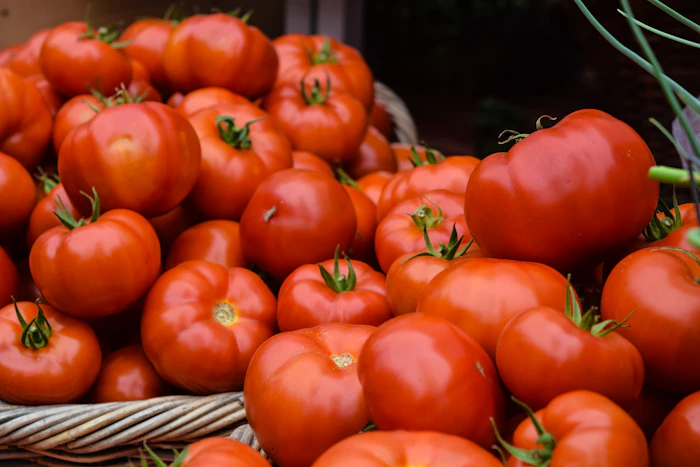
Tomatoes, pink grapefruit, watermelon and guava contain lycopene, a red carotenoid pigment. Lycopene has antioxidant properties and is being studied in relation to health, but food sources should be understood as part of an overall eating pattern rather than as a treatment.

Red, purple and blue
Blueberries, strawberries, beets, eggplant, red and blue grapes, red cabbage, plums, red apples and cherries contain anthocyanins. These reddish-blue pigments act as antioxidants and are one reason deeply colored produce can contribute useful variety.

Orange
Winter squash, pumpkins, sweet potatoes, apricots, carrots, mangoes and cantaloupe contain alpha- and beta-carotene. The body can convert some carotenoids into vitamin A, which supports normal vision, immune function and cell growth.

Orange-yellow
Peaches, oranges, tangerines, nectarines and papayas can supply beta-cryptoxanthin, another carotenoid with antioxidant activity. These foods also bring different amounts of fiber, vitamin C and other nutrients to meals.

Yellow-green
Corn, cucumbers with their skin, green beans, peas, yellow and green peppers, honeydew, kiwifruit, romaine and spinach contain lutein and zeaxanthin. These carotenoids are concentrated in the retina and are studied for their role in eye health.

Try all the colors
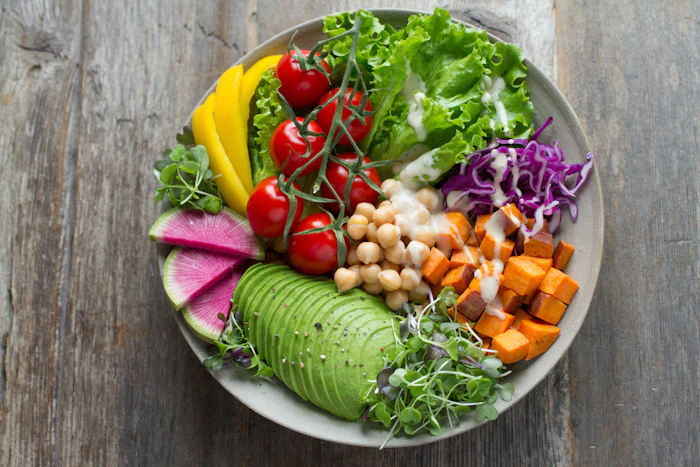
Build variety into a grocery basket or plate: add leafy greens, roast orange vegetables, put peppers into salads, snack on berries or mango, and include beans. Frozen and canned produce can also be practical; compare labels and choose options that suit your sodium and added-sugar needs.
Color—and beyond
Pigments are not the only useful plant compounds. Broccoli contains colorless indoles, while pale foods such as cauliflower, bananas, pears and beans provide their own mix of fiber and micronutrients. A pale vegetable is not nutritionally inferior simply because its pigments are less vivid.


