
General health · 22 August 2026
Total calories and calories from fat: what is the difference?
Learn what these label terms communicate—and why nutrient quality and serving size also matter.
Practical strategies for understanding nutrients, building satisfying meals and approaching food claims with evidence and context.

Food labels, protein and micronutrients can be easier to navigate when each claim is considered alongside the whole eating pattern.
Learn what these label terms communicate—and why nutrient quality and serving size also matter.

How protein may influence satiety, with practical meal context.
14 August 2026
Food sources, supplements and important test interactions.
5 August 2026Browse exercise fuel, hydration, recipes and food questions connected with specific conditions. Individual needs can vary with health history and medication.
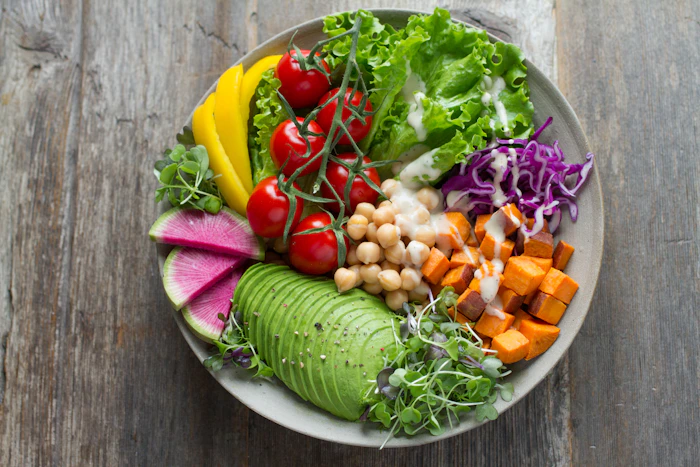
Consider timing, comfort, carbohydrates, protein and hydration when planning food around activity.

What is known about broader eating patterns, inflammation and the limits of condition-specific diet claims.

Explore potential food connections without assuming that unnecessary restriction is the answer.

Nutrition cannot replace treatment, but iron intake may be an important discussion when heavy bleeding contributes to deficiency.
A balanced look at plant-forward meals, nutrient variety and claims about inflammation.

Recognize common warning signs and learn why illness, heat and strenuous activity can increase fluid needs.

Questions to ask before beginning a restrictive diet, including nutrition adequacy and the strength of supporting evidence.

A make-ahead breakfast idea with chia seeds, cocoa and a modest coffee note.

Oats, apple and warm spices make a convenient breakfast that can be adjusted to suit your needs.
A sound decision considers the whole pattern, your circumstances and the quality of the evidence—not one nutrient or headline in isolation.
Decide whether you are comparing foods, planning meals or managing a concern.
Look for context, limitations and whether a claim applies to people like you.
Balance, variety and sustainability matter more than a single “good” ingredient.
Discuss major changes with a qualified professional when health or medication is involved.
Brief answers to questions that arise when comparing diets, supplements and everyday meal advice.
No single pattern suits everyone. Generally, varied eating patterns built around vegetables, fruit, legumes, whole grains and suitable protein sources can provide a useful foundation, while needs differ by culture, access, health and preference.
Fat provides more energy per gram than carbohydrate or protein, but body weight and health cannot be understood from one label line alone. Serving size, nutrient quality and the overall pattern remain relevant.
No. Protein needs vary with body size, age, activity, pregnancy and health. More is not automatically better, particularly when kidney or other medical concerns require individualized guidance.
Usually not without a clear reason. Unnecessary restriction can reduce nutrient variety and make eating harder. A clinician or registered dietitian can help evaluate symptoms and plan a structured approach.
Food may support general health, but it should not be presented as a replacement for condition-specific medical care. Evidence differs by condition and by dietary pattern.
Be cautious of guaranteed outcomes, detox language, claims built around one study and advice that requires buying a proprietary product. Look for limitations and evidence that considers the complete eating pattern.
Berkeley Health is an independent health magazine offering educational context about food, nutrients and everyday well-being. Our material is general information and does not replace personal diagnosis, treatment or nutrition care.